English
  français
  Deutsch
  русский
  español
  português
  العربية
  Melayu
  ไทย
ไทย  Indonesia
  हिंदी
हिंदी 


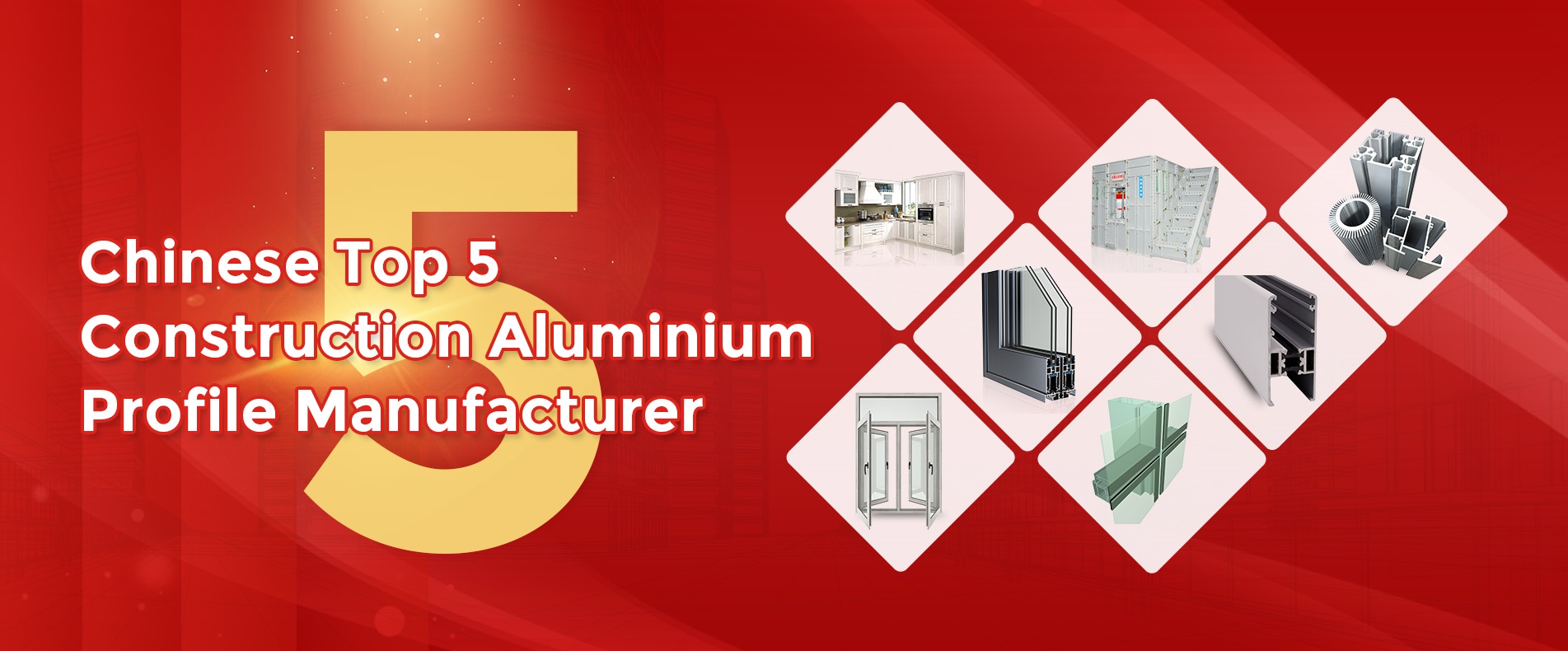
يمكنك تحقيق نتائج متميزة في مجال الهندسة المعمارية والبناء من خلال اختيار قطاعات ألومنيوم مصممة حسب الطلب توفر هذه القطاعات مزايا فريدة، مثل خفة الوزن، والمتانة، ومقاومة التآكل الممتازة، ومرونة التصميم التي لا مثيل لها. تساعدك قطاعات الألمنيوم على خفض التكاليف وتبسيط عملية التركيب. ويتزايد الطلب على حلول قطاعات الألمنيوم المصممة حسب الطلب باستمرار، لا سيما مع سعي الصناعات إلى تعزيز الكفاءة والأداء.
-
من المتوقع أن ينمو قطاع قطاعات الألمنيوم المخصصة بمعدل نمو سنوي مركب قدره 8.2٪ حيث تتطلب المزيد من المشاريع حلولاً مصممة خصيصاً.
-
بحلول عام 2026، قد يمثل قطاع البناء والتشييد 35.9% من سوق قطاعات الألمنيوم المبثوقة.
عند مقارنة المواد، ستلاحظ مزايا واضحة:
|
مادة |
نسبة القوة إلى الوزن |
مقاومة التآكل |
|---|---|---|
|
الألومنيوم |
عالي |
ممتاز |
|
فُولاَذ |
معتدل |
معتدل |
ستحصل على موثوقية وقيمة طويلة الأجل مع قطاعات الألمنيوم المصممة حسب الطلب، حتى في البيئات القاسية.
أهم النقاط
-
توفر قطاعات الألمنيوم المصممة حسب الطلب قوة خفيفة الوزن ومقاومة ممتازة للتآكل، مما يجعلها مثالية لمختلف تطبيقات البناء والتطبيقات الصناعية.
-
تتيح مرونة تصميم قطاعات الألمنيوم حلولاً مصممة خصيصاً، مما يمكنك من إنشاء أشكال معقدة تلبي احتياجات المشروع المحددة.
-
يمكن أن يؤدي استخدام قطاعات الألمنيوم المصممة حسب الطلب إلى تقليل نفايات الإنتاج والتكاليف بشكل كبير، مما يعزز كفاءة المشروع واستدامته بشكل عام.
-
تتميز قطاعات الألمنيوم بأنها قابلة لإعادة التدوير بنسبة 100%، مما يدعم الأهداف البيئية ويقلل من البصمة الكربونية لمشاريعك.
-
تضمن لك استشارة الموردين ذوي الخبرة اختيار قطاعات الألمنيوم المناسبة وطرق الربط، مما يزيد من الأداء والمتانة.
مرونة تصميم قطاعات الألمنيوم المخصصة
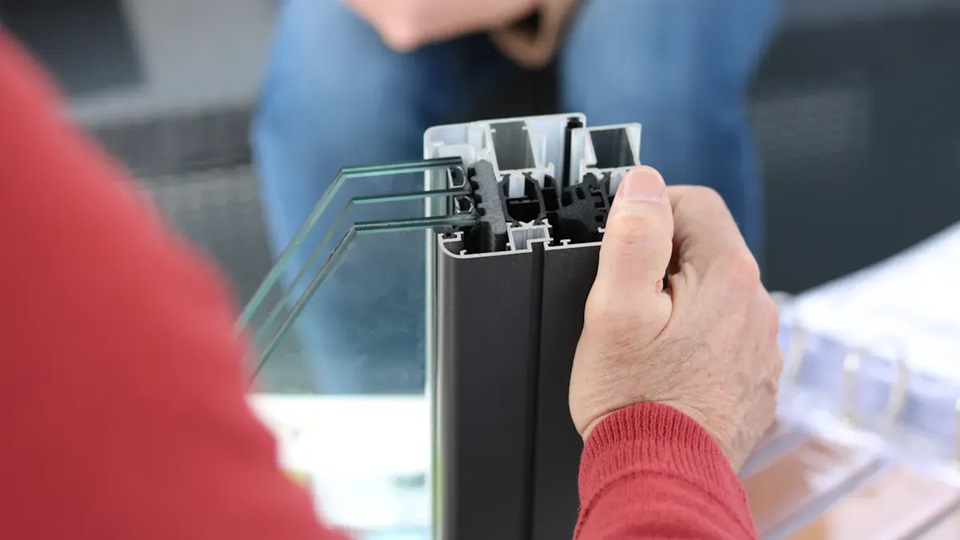
تمنحك قطاعات الألمنيوم المصممة حسب الطلب القدرة على ابتكار حلول تلبي احتياجات مشروعك بدقة. يمكنك الاختيار من بين مجموعة واسعة من الأشكال والتصاميم المخصصة، مما يسهل عليك معالجة التحديات المعمارية أو الصناعية المعقدة. تتيح لك هذه المرونة في التصميم تكييف قطاعات الألمنيوم لأي تطبيق تقريبًا، بدءًا من الهياكل المعقدة وصولًا إلى هياكل الدعم المتينة.
أشكال وأحجام متعددة الاستخدامات
ستجد أن قطاعات الألمنيوم تأتي بأشكال عديدة. ومن أكثر الأشكال والأحجام شيوعاً ما يلي:
-
زوايا لهياكل الدعم والأقواس
-
القنوات المستخدمة في أعمال التأطير والبناء
-
أنابيب وقضبان للهياكل والأجزاء الميكانيكية
-
الأشكال الصلبة مثل المربعات والمستطيلات والدوائر والسداسيات
-
الأشكال المجوفة مثل الأنابيب والقنوات
-
مقاطع متخصصة مثل عوارض I، وعوارض T، وعوارض Z، وقضبان
يُقدّم كل شكل مزايا فريدة. على سبيل المثال، تدعم العوارض على شكل حرف I الأحمال الثقيلة، بينما تسمح لك الفتحات على شكل حرف T ببناء إطارات مرنة. تُمكّنك مرونة قطاعات الألمنيوم من اختيار الشكل الأمثل لمشروعك، سواء كنت بحاجة إلى القوة أو الخفة أو المرونة.
تُبرز المشاريع الحديثة فوائد استخدام قطاعات الألمنيوم المصممة حسب الطلب. يوضح الجدول أدناه كيف تُسهم التصاميم المخصصة في حل تحديات واقعية:
|
وصف المشروع |
حصيلة |
|---|---|
|
قمت بتطوير شكل سداسي مجوف مزود بقنوات تبريد داخلية لعميل في مجال الروبوتات. |
انخفاض وزن المكونات بنسبة 40% مقارنة بأجزاء الألومنيوم الصلبة |
|
نظام تركيب الألواح الشمسية المعاد تصميمه باستخدام قطاعات 6063-T6 |
تقليل وقت التركيب بنسبة 30% مع الحفاظ على متطلبات شهادة IEC 61215 |
ويمكن ملاحظة هذا التأثير أيضاً في مشاريع البناء واسعة النطاق. فعلى سبيل المثال، استخدمت إحدى صالات المطارات الكبرى أكثر من 870 نوعاً مختلفاً من القطاعات المعدنية لإنشاء هيكل سقف متموج، مما يُظهر كيف تتكيف قطاعات الألمنيوم المصممة خصيصاً مع التصاميم المعقدة.
التكامل مع مواد أخرى
غالباً ما يتطلب الأمر دمج قطاعات الألمنيوم مع مواد أخرى، وقد يُمثل هذا الدمج تحديات. فانخفاض درجة انصهار الألمنيوم وحساسيته للحرارة قد يُؤديان إلى ضعف الوصلات في حال استخدام طريقة ربط خاطئة. كما قد تواجه مشاكل أخرى كالتشوه أو تآكل الأدوات أثناء عمليات التصنيع باستخدام الحاسوب (CNC). وللتغلب على هذه التحديات، ينبغي تحسين معايير التصنيع واختيار الأدوات المناسبة.
تؤثر سبيكة الألمنيوم وتشطيبها على متانتها وقابليتها للحام. لذا، يجب مراعاة هذه العوامل عند التخطيط لعملية الدمج. وتساعد التطورات التكنولوجية، مثل الهندسة الدقيقة والتصنيع باستخدام الحاسوب (CNC)، على تحقيق تركيب مثالي وأداء موثوق. كما تُسهّل هذه الابتكارات استخدام قطاعات الألمنيوم المصممة خصيصًا مع الفولاذ أو الزجاج أو المواد المركبة.
نصيحة: تعاون بشكل وثيق مع موردك لاختيار قطاع الألمنيوم المخصص المناسب وطريقة التوصيل الأمثل لتطبيقك. يضمن هذا النهج وصلات قوية ومتينة، ويعزز الاستفادة القصوى من قطاعات الألمنيوم.
مزايا القوة وخفة الوزن
نسبة عالية بين القوة والوزن
ستحصل على ميزة كبيرة عندما تختار قطاعات الألمنيوم المبثوقة حسب الطلب لمشاريعك. توفر هذه القطاعات نسبة قوة إلى وزن محسّنة مقارنةً بالعديد من المواد التقليدية. يتميز الألومنيوم بجمعه بين القوة العالية والكثافة المنخفضة. هذا يعني أنه يمكنك تصميم مكونات هيكلية خفيفة الوزن ومتينة في الوقت نفسه، دون التضحية بالأداء.
ضع في اعتبارك المقارنة التالية:
|
مادة |
قوة الشد (رطل لكل بوصة مربعة) |
الكثافة (جم/سم³) |
نسبة القوة إلى الوزن |
|---|---|---|---|
|
الفولاذ الطري القياسي |
حوالي 55000 |
7.87 تقريبًا |
47 تقريبًا |
|
مقاطع الألمنيوم المبثوقة |
37700 |
2.71 تقريبًا |
100 |
على سبيل المثال، يتميز الألمنيوم 7075 بكثافة تبلغ حوالي 2.81 غ/سم³، وهي أقل بكثير من كثافة الفولاذ البالغة 7.85 غ/سم³. تتيح هذه الخاصية إنشاء هياكل قوية دون إضافة وزن زائد. وتتجلى فوائد ذلك في التطبيقات التي يُعد فيها كل رطل مهمًا، مثل صناعات الطيران والفضاء والنقل وأنظمة البناء الحديثة. تساعد نسبة القوة إلى الوزن العالية في قطاعات الألمنيوم على الحفاظ على سلامة الهيكل مع تقليل الكتلة الإجمالية.
النقل والتركيب بكفاءة
ستلاحظ فوائد فورية أثناء النقل والتركيب. فخفة وزن قطاعات الألمنيوم المصممة حسب الطلب تجعل التعامل معها أسهل بكثير. غالبًا ما تحتاج إلى معدات رفع أقل ثقلًا، مما يقلل تكاليف العمالة ويحد من مخاطر الإصابات في مكان العمل. كما تصبح عمليات الشحن أكثر كفاءة، خاصةً في المشاريع الكبيرة أو عند توصيل المواد إلى مواقع متعددة.
وقد شهدت العديد من المدارس والمباني التجارية هذه المزايا بالفعل:
-
استخدمت أكاديمية غرينوود فواصل من الألومنيوم لإنشاء مساحات تعليمية مرنة.
-
قامت مدرسة برايت فيوتشرز بتركيب نوافذ ألمنيوم لتعزيز كفاءة الطاقة والإضاءة الطبيعية.
-
اختارت المدرسة الصديقة للبيئة قطاعات الألمنيوم للأسقف والجدران الخارجية، مما يعكس الحرارة ويقلل من تكاليف الطاقة.
يمكنك الاعتماد على قطاعات الألمنيوم لتلبية معايير السلامة الصارمة. ابحث عن شهادات مثل ASTM B221 للقطاعات العامة، وAMS 4152 لصناعة الطيران، وEN 755-9 للأسواق الأوروبية. تضمن هذه المعايير أداءً موثوقًا وعمرًا طويلًا لقطاعاتك.
نصيحة: تأكد دائمًا من أن موردك يتبع أنظمة إدارة الجودة المعترف بها، مثل ISO 9001، لضمان نتائج متسقة.
مقاومة التآكل ومتانة قطاعات الألمنيوم
الأداء في البيئات القاسية
يمكنك الاعتماد على قطاعات الألمنيوم المصممة خصيصًا عندما يواجه مشروعك ظروفًا قاسية. تتميز قطاعات الألمنيوم بمقاومة ممتازة للتآكل، خاصة في البيئات البحرية والصناعية. تكشف الدراسات العلمية أن السبائك الجديدة، مثل Al-Mn-Cr-Zr، تتفوق على سبائك AlSi10Mg التقليدية. تُشكّل هذه السبائك طبقة واقية مستقرة على سطحها، تحميها من التآكل في البيئات المالحة أو الرطبة. عند تعريضها لمحلول كلوريد الصوديوم بتركيز 3.5%، تعرضت السبيكة الجديدة لأضرار أقل من السبائك القديمة، مما يثبت تحسن أدائها ومتانتها.
تُكوّن قطاعات الألمنيوم طبقة أكسيد واقية بشكل طبيعي، تمنع هذه الطبقة المزيد من الأكسدة وتحمي المادة من التآكل البيئي. تظهر فوائدها في التطبيقات الخارجية، حيث يجب أن تتحمل قطاعات الألمنيوم المطر والرطوبة والمواد الكيميائية. إن قدرة الألمنيوم العالية على تحمل الأحمال وخفة وزنه ومتانته تجعل هذه القطاعات مثالية للجسور والواجهات والآلات الصناعية. كما يُمكن تركيبها بسهولة، حتى في المواقع الصعبة، بفضل تعدد استخداماتها.
ملحوظة: تتيح لك مرونة قطاعات الألمنيوم استخدامها في الأماكن التي قد تفشل فيها الفولاذ أو المعادن الأخرى بسبب الصدأ أو الحاجة إلى صيانة مكثفة.
عمر خدمة طويل وصيانة منخفضة
ستحصل على فوائد طويلة الأمد عند اختيار قطاعات الألمنيوم المصممة حسب الطلب. تدوم قطاعات الألمنيوم لعقود مع الحد الأدنى من الصيانة. يكفي تنظيفها كل أربعة أشهر باستخدام إسفنجة ومنظف معتدل. تمنع هذه العملية البسيطة التآكل والأكسدة. يمكنك أيضًا استخدام مادة مانعة للتسرب أو مادة تشحيم خفيفة لتعزيز المتانة والأداء.
فيما يلي نظرة عامة سريعة على بيانات الصيانة:
|
نوع الدليل |
تفاصيل |
|---|---|
|
عمر |
تتمتع قطاعات النوافذ المصنوعة من الألومنيوم بعمر افتراضي يصل إلى ثلاثين عامًا نظرًا لمقاومتها للعوامل الجوية. |
|
متطلبات الصيانة |
لا يتطلب الأمر سوى الحد الأدنى من الصيانة؛ فغالباً ما يكون التنظيف البسيط كل أربعة أشهر كافياً. |
|
عملية التنظيف |
يساعد الغسل المنتظم باستخدام إسفنجة ومنظف على منع التآكل والأكسدة. |
|
رعاية إضافية |
يمكن أن يؤدي استخدام مادة مانعة للتسرب واستخدام مواد تشحيم خفيفة إلى تحسين المتانة والأداء. |
توفر الوقت والمال لأن قطاعات الألمنيوم لا تتطلب إصلاحات أو استبدالات متكررة. وتجعل مزايا مقاومة التآكل والمتانة من قطاعات الألمنيوم المصممة حسب الطلب خيارًا ذكيًا لأي مشروع يتطلب أداءً وموثوقية محسّنين.
فوائد الكفاءة في التكلفة والاستدامة
تقليل نفايات الإنتاج
يمكنك تحقيق كفاءة عالية في التكاليف باختيار قطاعات الألمنيوم المصممة خصيصًا لمشاريعك. تُسهّل هذه القطاعات عملية التصنيع، إذ يُمكن تصميمها لتضمين ميزات متعددة في قطعة واحدة. يُقلل هذا النهج من الحاجة إلى عمليات تشغيل أو تجميع إضافية، مما يُقلل من هدر المواد ويوفر المال. تُساهم العمليات الرقمية في تصنيع قطاعات الألمنيوم المصممة خصيصًا في خفض هدر المواد بنسبة تصل إلى 30%. عند تبسيط عملية الإنتاج، تُقلل أيضًا من عدد العمليات الثانوية، مما يجعل سير العمل أكثر كفاءة وصديقًا للبيئة.
-
يؤدي الطلب بكميات كبيرة في كثير من الأحيان إلى توفير كبير في تكاليف الوحدة الواحدة.
-
تساعد التصاميم والتشطيبات البسيطة في الحفاظ على انخفاض التكاليف الإجمالية.
-
يمكن أن تكشف استشارة موردي منتجات الألمنيوم المبثوقة حسب الطلب عن المزيد من فرص توفير التكاليف.
-
يساهم التصميم الدقيق للقوالب واختيار المواد الفعالة من حيث التكلفة، مثل الألومنيوم 6063، في تقليل النفقات بشكل أكبر.
-
يساهم تخطيط أحجام الإنتاج بشكل استراتيجي في تحقيق أقصى قدر من وفورات الحجم.
مقاطع ألومنيوم مخصصة قابلة لإعادة التدوير بنسبة 100%
باستخدامك لقطاعات الألمنيوم المصممة حسب الطلب، فإنك تدعم الاستدامة. يُعدّ الألمنيوم مادة مستدامة لأنه قابل لإعادة التدوير إلى ما لا نهاية دون أن يفقد خصائصه. عالميًا، يُعاد تدوير حوالي 35% من قطاعات الألمنيوم المصممة حسب الطلب. لا تستهلك عملية إعادة تدوير الألمنيوم سوى 5% من الطاقة اللازمة لإنتاج ألمنيوم جديد، مما يُقلل البصمة الكربونية لمشروعك بنسبة 60% مقارنةً باستخدام الألمنيوم المُنتج حديثًا. باختيارك لقطاعات الألمنيوم المُعاد تدويرها، تُساهم في الحفاظ على الموارد وتقليل الأثر البيئي.
توفير الطاقة والامتثال لمعايير المباني الخضراء
عند اختيارك لقطاعات الألمنيوم المصممة حسب الطلب، ستستفيد من توفير الطاقة وتحسين الامتثال لمعايير البناء الأخضر. تتطلب قطاعات الألمنيوم المصنوعة من مواد معاد تدويرها طاقة أقل بكثير في إنتاجها. تسعى العديد من مشاريع البناء الآن للحصول على شهادات بيئية لإثبات التزامها بالاستدامة. يوضح الجدول أدناه بعض الشهادات الشائعة لقطاعات الألمنيوم:
|
اسم الشهادة |
وصف |
|---|---|
|
نظام الريادة في تصميم الطاقة والبيئة (LEED) |
يُقرّ بالمباني والممارسات المستدامة. |
|
بيانات الأداء البيئي |
يتتبع البصمة البيئية للمنتج. |
|
من المهد إلى المهد |
يضع معايير للمنتجات الآمنة والمستدامة. |
|
موافق معاد تدويره |
تُصدّق على المنتجات ذات المحتوى المعاد تدويره العالي. |
|
المركبات العضوية المتطايرة |
يضمن انبعاثات خطرة شبه معدومة. |
كما ستحقق وفورات طويلة الأجل لأن قطاعات الألمنيوم تدوم لفترة أطول وتحتاج إلى صيانة أقل. وبفضل فعالية الألمنيوم من حيث التكلفة، ستنفق أقل على الاستبدال والإصلاح طوال عمر مشروعك. كما أن خفة وزن قطاعات الألمنيوم تقلل من تكاليف النقل والتركيب، مما يُحسّن أداء مشروعك ويزيد من فوائده الاقتصادية.
نصيحة: تعاون مع موردي قطاعات الألمنيوم المصممة حسب الطلب والذين يفهمون متطلبات البناء الأخضر. تساعدك هذه الشراكة على تحقيق أهداف الاستدامة وتعظيم فوائد قطاعات الألمنيوم المصممة حسب الطلب.
تطبيقات صناعية لقطاعات الألمنيوم المصممة حسب الطلب
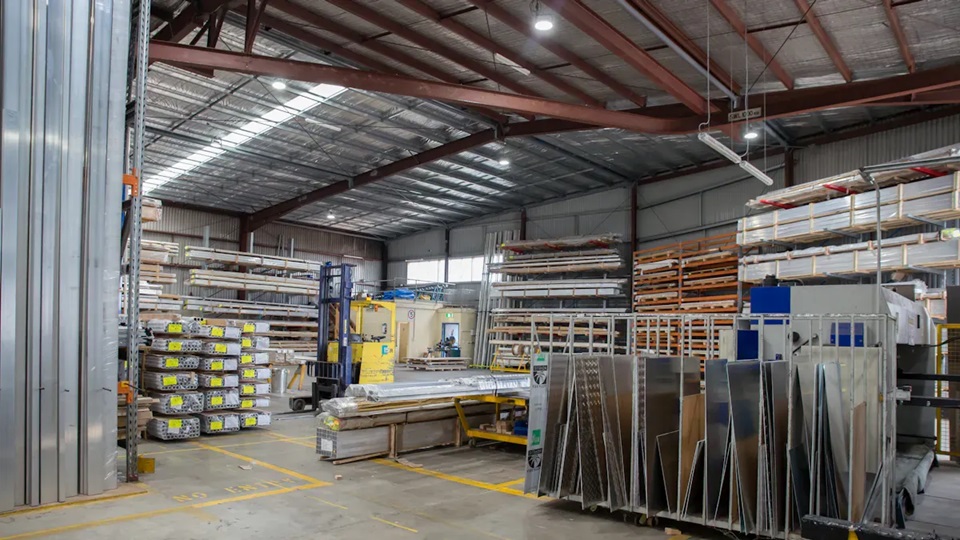
استخدامات البناء
ستلاحظ استخدام قطاعات الألمنيوم المصممة حسب الطلب في العديد من مجالات الهندسة المعمارية والبناء. تُساعد هذه القطاعات في تصميم إطارات نوافذ وجدران ستائرية ومكونات هيكلية فريدة تُحسّن مظهر المباني ووظائفها. عند العمل على مشاريع في المدن الساحلية، نحتاج إلى مواد مقاومة للتآكل وخفيفة الوزن. على سبيل المثال، استخدمت ناطحة سحاب من 50 طابقًا في منطقة ساحلية قطاعات ألمنيوم مصممة خصيصًا لجدرانها الستائرية. اختار فريق المشروع سبيكة ألمنيوم 6063-T5 لمتانتها ومقاومتها للتآكل. قاموا بتطوير قوالب بثق مخصصة لقطاعات منحنية دقيقة، وطُليَت بطبقة نهائية من البرونز المؤكسد لإضفاء مظهر فريد. سهّلت عمليات التصنيع باستخدام الحاسوب (CNC) عملية التجميع. ونتيجة لذلك، تميّز المبنى بجدار ستائري مذهل بصريًا وموفر للطاقة، وتم إنجازه أسرع بنسبة 20% من المخطط له.
يمكنك أيضًا استخدام قطاعات الألمنيوم في البناء المعياري. تتيح لك تقنيات التصنيع المتقدمة باستخدام الحاسوب (CNC) وأدوات التصميم البارامتري إنشاء أشكال دقيقة تتوافق مع مخططاتك. يمكن للأنظمة الجاهزة ذات قطاعات الألمنيوم المصممة خصيصًا أن تقلل أوقات التركيب بنسبة تصل إلى 60%. يساهم هذا النهج في تقليل التأخيرات وخفض انبعاثات الكربون الناتجة عن عمليات البناء اللوجستية.
نصيحة: عندما تتعاون مع موردي مقاطع الألمنيوم المصممة حسب الطلب، يمكنك الحصول على مشورة الخبراء بشأن اختيار المقاطع المناسبة لمشروعك.
الاستخدامات الصناعية والتصنيعية
ستجد أن قطاعات الألمنيوم المصممة حسب الطلب ضرورية في العديد من بيئات التصنيع والصناعة. تساعدك هذه القطاعات على تحسين الكفاءة وجودة المنتج بعدة طرق:
-
إدارة الحرارة: تعمل قطاعات الألمنيوم المصممة خصيصًا كمشتتات حرارية في الإلكترونيات، مما يعزز كفاءة التبريد.
-
أغلفة مخصصة: يمكنك تصميم أغلفة متينة وآمنة وجذابة للأجهزة الإلكترونية.
-
تشطيب السطح: خيارات مثل الأنودة تزيد من مقاومة التآكل والمتانة.
|
مجال التطبيق |
فوائد |
|---|---|
|
تصنيع الإلكترونيات |
يعزز تبديد الحرارة، مما يحسن الأداء ويطيل العمر الافتراضي. |
|
حاويات مخصصة |
يقدم حلولاً قابلة للتخصيص وآمنة وجذابة بصرياً. |
|
خيارات تشطيب الأسطح |
يزيد من المتانة ومقاومة الظروف القاسية. |
يمكن أيضاً استخدام قطاعات الألمنيوم في صناعة السيارات لتصنيع مكونات الهيكل وأجزاء المحرك، مما يجعل المركبات أخف وزناً وأكثر كفاءة في استهلاك الوقود. وفي مجال الطيران، تُستخدم قطاعات الألمنيوم المصممة خصيصاً لتشكيل هياكل وأجنحة الطائرات، حيث تُعدّ المتانة وخفة الوزن من العوامل الحاسمة. كما تستخدم مشاريع الطاقة المتجددة قطاعات الألمنيوم في الألواح الشمسية وتوربينات الرياح، مما يُحسّن الدعم والكفاءة الديناميكية الهوائية.
ستحصل على العديد من المزايا عند اختيار قطاعات الألمنيوم المصممة خصيصًا لمشاريعك. تتميز هذه القطاعات بخفة وزنها وقوتها، بالإضافة إلى مرونة تصميمها ومتانتها التي تدوم طويلًا. ستلاحظ كيف تُسهّل قطاعات الألمنيوم عملية النقل والتركيب، مع توفير التكاليف.
-
يؤكد الخبراء أن قطاعات الألمنيوم المصممة حسب الطلب تتيح لك إنشاء أشكال معقدة وتحسين نتائج المشروع.
-
يوصي الموردون بمراعاة العوامل البيئية، واحتياجات التحميل، والسبيكة المناسبة لقطاع الألمنيوم المخصص الخاص بك.
في مجال الروبوتات والأتمتة، أظهرت قطاعات الألمنيوم المصممة حسب الطلب فوائد واضحة لكل من الهيكل والوظيفة.
ينبغي عليك استشارة موردين ذوي خبرة لاستكشاف خيارات مخصصة تناسب احتياجاتك.
التعليمات
ما هي قطاعات الألمنيوم المصممة حسب الطلب؟
تُصنع قطاعات الألمنيوم حسب الطلب من أشكال مقذوفة مصممة خصيصًا لتلبية احتياجات مشروعك. يمكنك اختيار أحجام وتشطيبات وميزات فريدة. تساعدك هذه القطاعات على حل تحديات التصميم المعقدة في مجالي البناء والتصنيع.
كيف تُساهم قطاعات الألمنيوم في تحسين الاستدامة؟
استخدام قطاعات الألمنيوم يدعم الاستدامة. الألمنيوم قابل لإعادة التدوير بنسبة 100%. إعادة التدوير تستهلك طاقة أقل وتقلل من انبعاثات الكربون. العديد من المشاريع تحصل على شهادات المباني الخضراء باستخدام قطاعات الألمنيوم.
هل يمكن استخدام قطاعات الألمنيوم في الهواء الطلق؟
يمكن استخدام قطاعات الألمنيوم في الأماكن الخارجية. فالألمنيوم مقاوم للتآكل ويدوم لعقود في البيئات القاسية. ستجد قطاعات الألمنيوم في واجهات المباني والجسور والآلات الخارجية.
ما هي الصناعات التي تستفيد أكثر من قطاعات الألمنيوم المصممة حسب الطلب؟
|
صناعة |
فائدة |
|---|---|
|
بناء |
تصاميم خفيفة الوزن ومتينة |
|
تصنيع |
إنتاج فعال |
|
السيارات |
تحسين كفاءة استهلاك الوقود |
|
الفضاء الجوي |
هياكل قوية وخفيفة الوزن |
كيف تختار سبيكة الألومنيوم المناسبة؟
يمكنك اختيار السبيكة المناسبة من خلال مراعاة المتانة ومقاومة التآكل واحتياجات التطبيق. استشر موردك للحصول على المشورة. توفر سبائك مثل 6063 و7075 مزايا مختلفة للمشاريع الإنشائية والصناعية.
 شبكة IPv6 مدعومة